01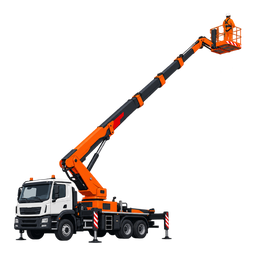
Entrance and canopy access
Work around an entrance needs to account for people below the work point and continued building access. Show canopy width, steps and positions where the vehicle could stand or move.
At older facades, show passage width, canopies and overhead lines. These details matter for choosing a lift position. For eaves or the upper facade, show projecting building parts and the passage below the work point. If entry is only possible from one end of the street, include that route with the overall site view.
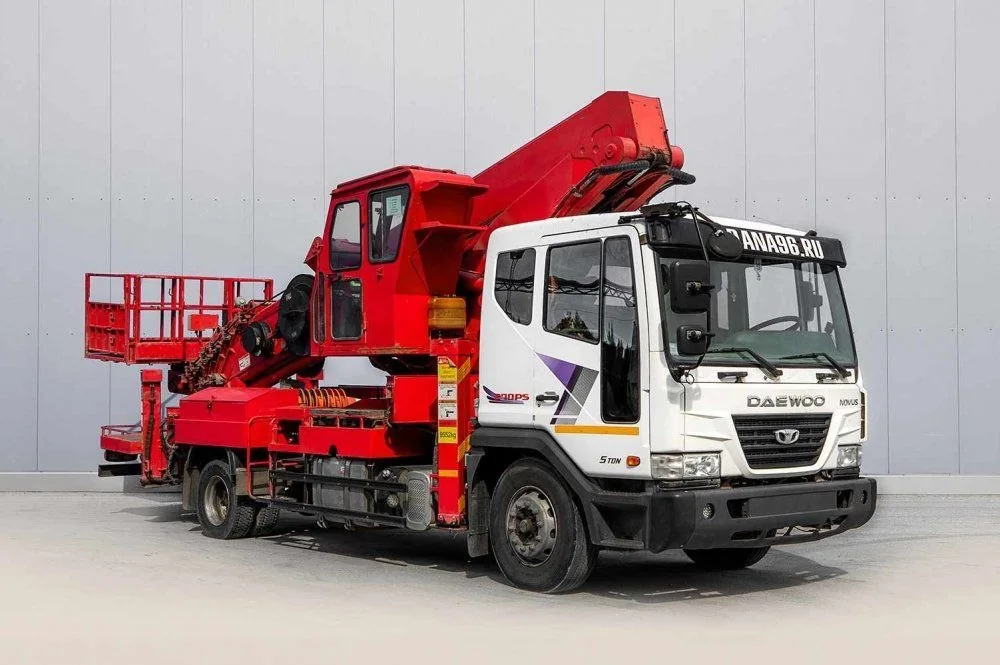 45 m
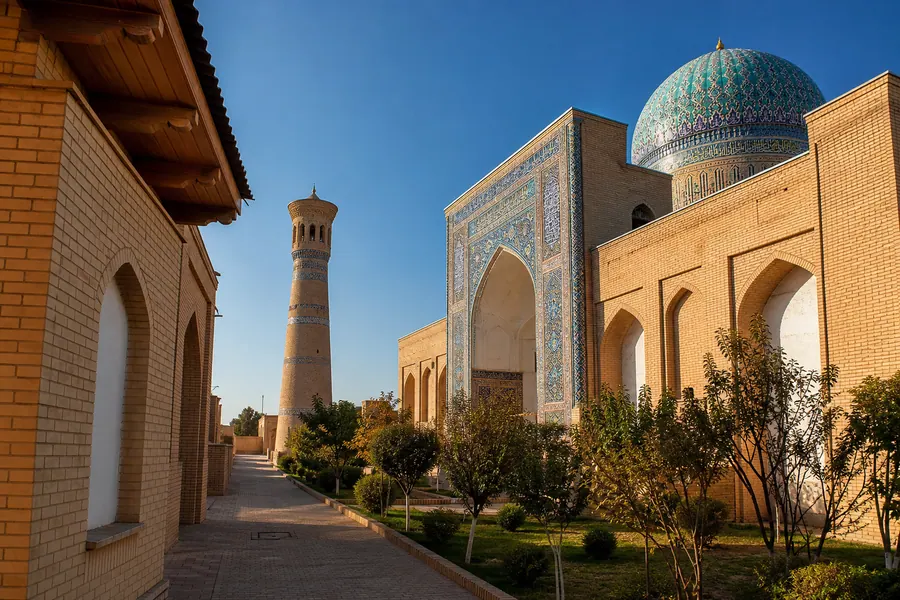
45 mShaykhantakhur is the historical core of Tashkent, home to Chorsu Bazaar and the Hazrati Imam complex.
Historic centre by Chorsu and Hazrati Imam — narrow access: building and a square landmark are required.
Work around an entrance needs to account for people below the work point and continued building access. Show canopy width, steps and positions where the vehicle could stand or move.
Roof-edge access requires eaves height and the proposed parking position. For a point behind a parapet or further onto the roof, mark its setback from the edge and any obstacles.
For building or exterior-equipment inspection, identify what must be viewed from the basket. Points on different sides may require changes in parking position and access sequence.
What to send with your enquirySend the address, work height and photos of the facade, access route and lift parking space.
Message on TelegramAgree on temporary pedestrian access and clearing the vehicle area with the site representative. Then send photos with distances; an empty pavement alone does not confirm a suitable setup position.
That depends on height, edge setback, parapet and vehicle position. A working height of up to 45 m does not imply the same horizontal reach.
Send an overall view, each working side and possible vehicle positions. A close-up of the defect is useful too, but it does not show the access geometry.
Describe the job and send a photo of the work area.
 ANOTHER SERVICE
Explore the other equipment service in this territory. Suitability depends on your job and site conditions.
Choose a destination to explore suitable tasks, vehicle access and booking details for that territory.